
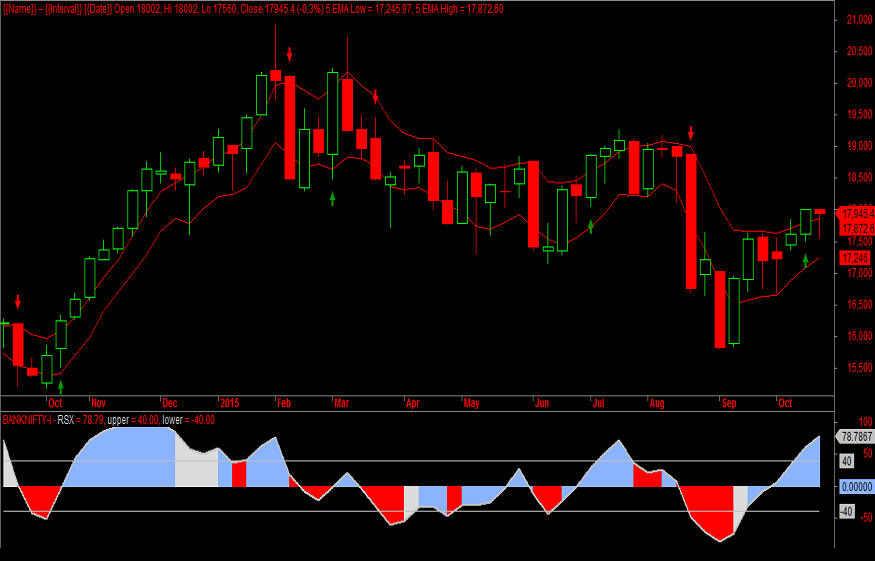

The Indian stock market has evolved rapidly with increasing participation from retail and professional traders who actively use advanced analytical tools for market analysis and strategic trading decisions. Many traders carefully study the Nifty Option Chain to identify key support and resistance levels, monitor open interest activity, and understand broader market sentiment before executing trades. Alongside this, Bank Nifty Futures remain one of the most actively traded derivative instruments among traders seeking exposure to banking sector momentum, short-term market trends, and high-liquidity trading opportunities.
Growing Popularity of Derivatives Trading in India
Derivatives trading has become increasingly well-known due to growing monetary recognition, greater digital infrastructure, and the right to access trading systems is less cumbersome. Before, futures options trading was considered particularly special and existed predominantly through institutional sponsors. Today, the best buying and selling techniques of the current generation and educational assets are additionally accessible to retail buyers.
The banking sector attracts huge trading interest due to the fact that banking stocks drastically influence certain market sentiments and index performance. Traders often monitor bank-related derivatives closely for institutional position and fast-moving market movements.
Read More : Why Paying in EMIs Might Be Smarter Than Full Payment for Appliances
Digital buying and selling platforms have transformed the trading experience by presenting real-time market information, advanced mapping tools and spot order execution. Investors can now monitor the stay market conditions and execute trades successfully through smartphones and smartphones.
This accessibility has contributed to greater participation from experts, business owners, and younger buyers curious about financial markets and quick buying and selling opportunities.
Importance of Market Analysis in Derivatives Trading
Successful derivatives trading requires more than actually following the payment phase. Traders need in-depth expertise in market sentiment, institutional drift, volatility, and technical markers to make an informed choice.
Option chain assessment provides important insights into market conditions and seller expectations. Strike prices with high open rates often show strong support or resistance levels, which can have an impact on eternity price movements.
Buying and selling of futures also reflects broader market sentiment, as futures prices often respond quickly to economic developments, institutional flows, and quarterly-specific trends. Traders examine payment rates, discounts, and volume levels to gauge market energy.
Combining derivative valuation with technical chart patterns improves buying and selling accuracy and allows traders to discover better probability opportunities. Investors who rely on established analysis are usually higher ordered all through changing market conditions.
Another primary benefit of analytical buying and selling is the emotional realm. Traders who adhere to record-pushing techniques often avoid impulsive choices due to anxiety, greed, or sudden market fluctuations.
Understanding Open Interest and Market Sentiment
Open interest remains one of the most important markers in buying and selling derivatives because it reflects energetic market participation and trading position. Retailers are monitoring the adjustment with open interest to determine whether sparkling locations will enter the market or current locations will close.
Increasing open interest along with rising fees could also result in more powerful bullish sentiment, while increased open interest for all through falling markets could also speak to increasing bear pressure. These observations help buyers compare trending electricity and potential market trends.
The future of the banking sector is being closely watched due to the key position of the banking stock in the Common Index movement. Institutional interests in bank derivatives typically significantly influence fast-moving volatility and broader market sentiment.
Dosage is equally important. High buy and sell spreads generally indicate stronger market share participation and better liquidity, which supports smoother alternative execution during volatile times.
Traders who combine price action, volume estimation, and open rate data often extend a more balanced and disciplined approach to market assessment.
Technology Revolutionising Trading Experience
Technology has totally changed today’s business with the help of creating cutting-edge analytics tools for traders. Previously, professional-grade buy and sell orders were primarily in the hands of large financial institutions and experienced investors. Today, digital systems provide instant real-time analysis to individual investors.
Modern trading packages now offer sustainable option chain pricing, forward estimates, improved chart structure, volatility monitoring and customised market alerts. Traders can instantly uncover important market trends and react quickly to changing conditions.
Mobile accessibility has advanced remarkably in comfort. Investors no longer want to be tied to a desktop structure at some point during the trading day, as trading and market monitoring can now be handled efficiently via smartphones.
Technology has also advanced finance education. Online learning programs, webinars, and digital buy and sell groups have accelerated knowledge of derivatives trading strategy, threat management, and technical analysis.
Faster execution speeds each represent a major advantage. Real-time ordering helps investors respond more efficiently throughout relatively risky market periods.
Importance of Risk Management in Futures Trading
While buying and selling derivatives offer attractive opportunities, it also poses significant risks if not managed properly. Specifically, buying and selling futures can create large profit or loss swings due to leverage and rapid market movements.
Professional investors pay close attention to risk management to protect capital purchases and sales and maintain stability over the long term. Predetermined stop losses, controlled position size, and disciplined trading planning help reduce emotional choice buildup during periods of volatility.
Overtrading is a common mistake for energetic buyers. The constant market dynamics can also tempt traders to do too many activities outside of proper planning, increasing emotional stress and financial risk.
Diversification and disciplined risk management are also important. Traders who avoid concentrating all their capital into individual trades generally maintain more powerful emotional and business stability.
Patience is critical to sustainable buying and selling success. Consistent profitability is generally developed through disciplined execution, strategic planning, and relentless identification instead of competitive speculation.
Future of Data-Driven Derivatives Trading
The future of derivatives trading in India is looking increasingly generational as investors increasingly adopt superior analytical structures and fact-based buying and selling techniques. Artificial intelligence, algorithmic structures and real-time analytics are predicted to persuade destiny market share participation sharply.
Investors have additionally been focused on disciplined evaluation, structured buying and selling frameworks, and threat monitoring instead of emotional or speculative trading behaviour. The academic focus on buying and selling futures options is likewise improving step by step.
Read More : ULIP Plans vs. Saral Pension Scheme: Which is Best for Your Long-Term Financial Goals?
The expansion of virtual trading systems has every potential to gain wider market participation from experts, entrepreneurs and young investors looking for better buying and selling opportunities.
Traders who combine age, analytical discipline and sound risk management practices are generally better placed to effectively navigate volatile market conditions and build long-term trading confidence within the evolving Indian financial markets.